Full-Length & Floor Mirrors
A definitive look at styling and placing large format mirrors for personal dressing and room expansion.
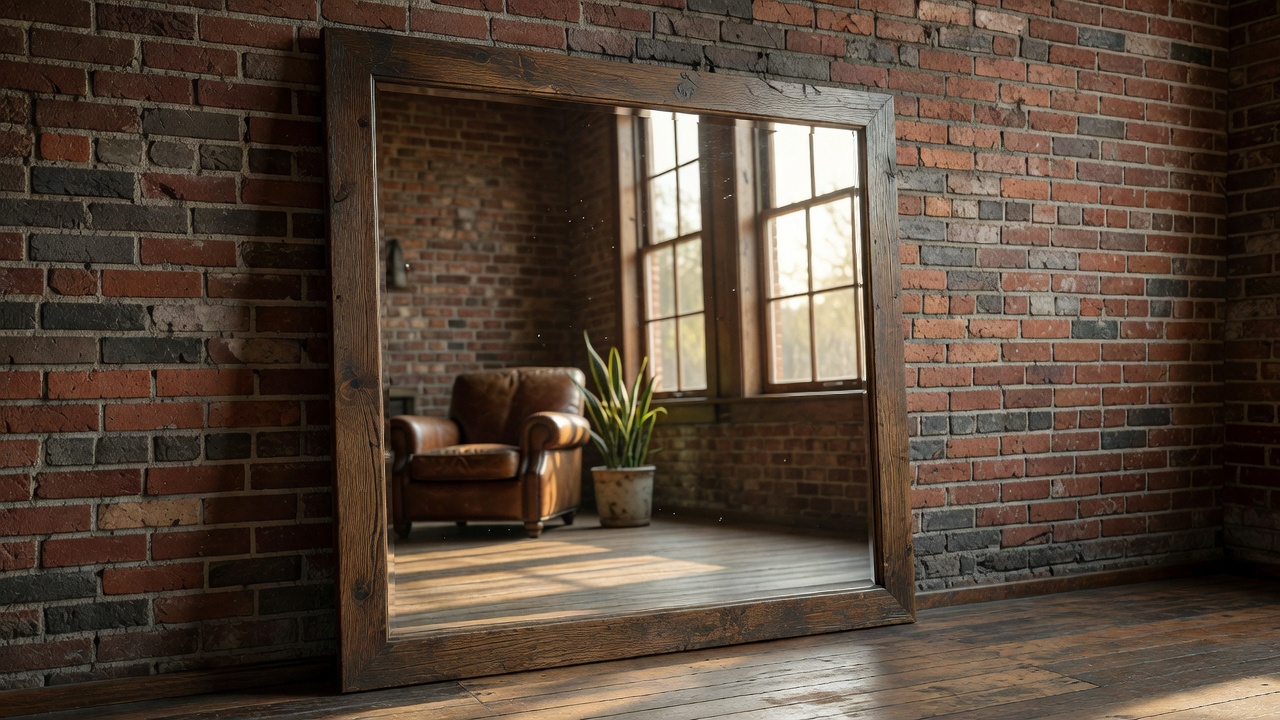
Introduction to Full-Length Mirrors
A full-length mirror is arguably the most functional piece of decor in a bedroom, dressing room, or walk-in closet. Beyond allowing for comprehensive head-to-toe outfit checks, these massive reflective surfaces possess significant architectural power. Because of their sheer surface area, they introduce vast amounts of light into a space and can effectively double the visual depth of the room they inhabit.
Leaning vs. Wall-Mounted Installations
The primary decision when incorporating a full-length mirror is whether to lean it casually against the wall or mount it securely above the baseboard.
The Leaning "Floor" Mirror
Floor mirrors that lean against the wall impart a relaxed, contemporary, and somewhat bohemian aesthetic. They are often oversized, featuring heavy, substantial frames that anchor them to the floor. The slight upward angle of a leaning mirror subtly elongates the reflection—a trait many find flattering in a dressing context. However, the angle also directs the mirror’s gaze toward the ceiling, which must be considered in the overall room composition.
Pros: No complex installation required; easily relocated; highly decorative statement piece.
Cons: Takes up valuable floor space; can be hazardous in homes with energetic pets or small children unless properly tethered.
The Wall-Mounted Mirror
Mounting a full-length mirror flat against the wall provides a clean, unobstructed reflection without the angled distortion. This method frees up floor space, making it the superior choice for narrow hallways, compact bedrooms, or the back of closet doors. When wall-mounted, the mirror must be positioned carefully: the top edge should extend higher than the tallest user, and the bottom should be low enough to capture footwear.
Pros: Space-saving; safe and secure; provides a true, un-angled reflection.
Cons: Requires precise measuring and robust hardware; permanent (or at least semi-permanent) placement.
Understanding and Minimizing Distortion
One of the most frequent complaints regarding large mirrors is optical distortion, colloquially known as the "funhouse effect." This occurs when the glass is not perfectly flat. Distortion is common in oversized mirrors built with thin, low-quality glass (typically under 4mm thick) or mirrors mounted on uneven backing boards.
To ensure a true reflection, seek out full-length mirrors that utilize glass at least 5mm thick. Furthermore, high-quality mirrors are adhered to rigid MDF or solid wood substrates that resist warping over time due to changes in humidity or temperature.
Safety Considerations
The sheer mass of a high-quality full-length mirror poses a safety risk if not handled correctly. Even leaning mirrors must be tethered to the wall. Most reputable manufacturers include anti-tip hardware—often a discreet wire or bracket system that secures the top frame to a wall stud while allowing the base to rest on the floor. For wall-mounted applications, never rely on standard drywall anchors for heavy, oversized glass; the mounting bracket must intersect with structural wall studs.