Smart & Illuminated Mirrors
Merging reflection with technology: Lighting metrics, defogging capabilities, and electrical integration.
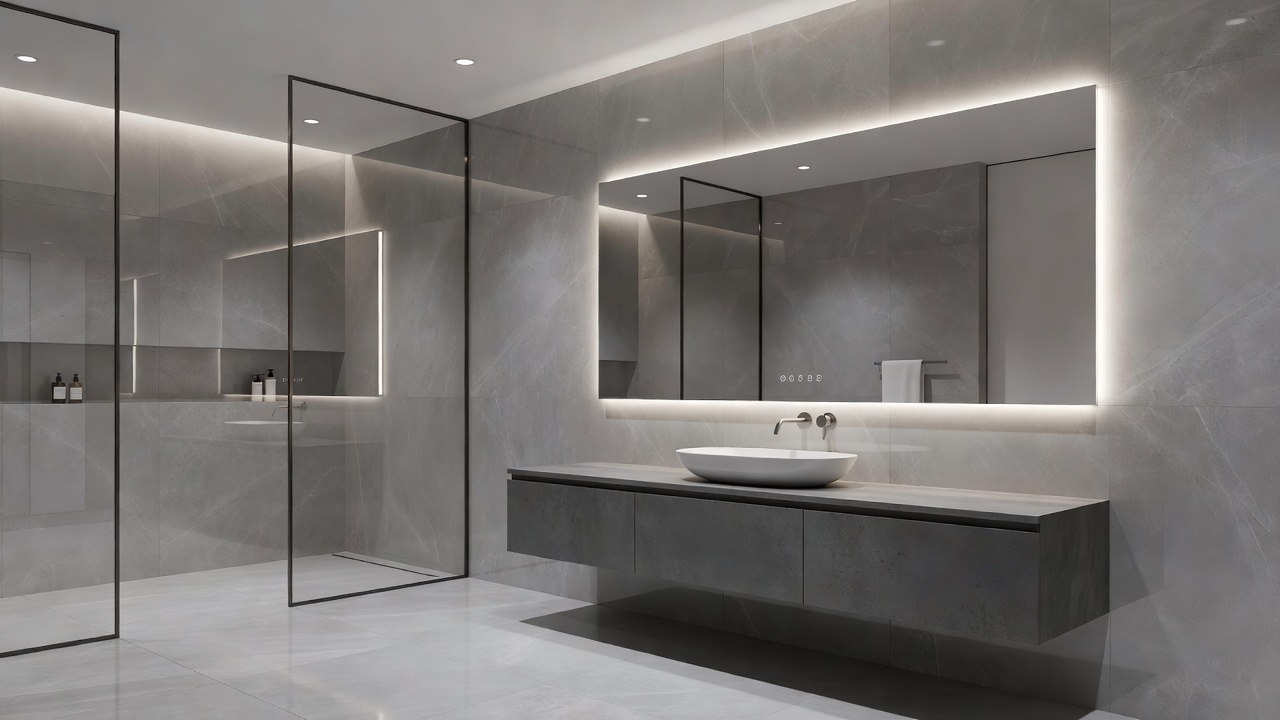
The Evolution of the Mirror
Historically passive objects, mirrors have recently undergone a technological revolution. Smart mirrors—sometimes referred to simply as illuminated or LED mirrors—integrate active electronic components to enhance their utility. While early iterations merely offered built-in lights, modern units can feature touch-capacitive controls, integrated heating pads to prevent condensation, Bluetooth speakers, and even digital displays.
Understanding Lighting Metrics
The primary draw of a smart mirror is its integrated lighting, which offers unparalleled task illumination for makeup application and grooming. However, not all LED mirrors perform equally. Two crucial metrics dictate the quality of light:
Color Temperature (Kelvin)
Color temperature dictates the perceived "warmth" or "coolness" of the light. A lower Kelvin rating (e.g., 3000K) produces a warm, yellowish glow similar to traditional incandescent bulbs or candlelight, ideal for creating a relaxing ambiance. A higher rating (e.g., 6000K) produces a crisp, bluish-white light that closely mimics overcast daylight. For the most accurate grooming results, experts typically recommend a neutral daylight setting around 4000K to 5000K. Many advanced smart mirrors offer tunable LEDs, allowing users to shift the temperature based on their needs.
Color Rendering Index (CRI)
CRI measures how accurately a light source reveals the true colors of objects compared to natural sunlight, on a scale from 0 to 100. A low CRI will make skin tones appear sickly or washed out, and makeup colors will look dramatically different indoors versus outdoors. For a primary grooming mirror, an LED system with a CRI of 90 or higher is strongly recommended to ensure vibrant, accurate color reflection.
Defogging Technology
One of the most practical features of a smart bathroom mirror is the integrated demister pad. This relies on a thin heating element adhered to the rear of the glass. When activated, the pad gently warms the mirror surface just enough to prevent water vapor from condensing on the cold glass. The result is a permanently clear reflection, even immediately following a hot shower. These systems are typically highly energy-efficient and operate silently.
Installation and Electrical Requirements
Unlike traditional mirrors, smart mirrors require a connection to your home's electrical grid. Prospective buyers must plan for this during renovations.
- Hardwiring: Most high-end smart mirrors are designed to be hardwired directly to a wall switch or a junction box behind the mirror. This provides a clean, seamless look with no visible cords. Installation generally requires a licensed electrician.
- Plug-in Options: Some models are equipped with a standard three-prong plug. While easier to install, they require an accessible wall outlet and result in a visible cord running down the wall, which can detract from the sleek aesthetic.
Always verify the local electrical codes, particularly concerning water proximity, before installing active electronics in a bathroom environment.